Bedding Materials · Practical Guide
Gingerlily Silk Bedding: What to Know About Care, Feel, and Longevity
Silk bedding can make a bed feel notably smooth and cool to the touch. It can also ask for more attention than cotton or linen. Before choosing Gingerlily silk bedding, it helps to understand how silk feels, what care labels actually tell you, and which everyday habits protect delicate fibers.
Published October 13, 2026
The appeal—and the practical question
Silk has a particular presence in a bedroom. Its surface catches light, its hand feels fluid rather than crisp, and it tends to drape differently from the cotton percale or linen many people already know. For some sleepers, that smoothness is the point. For others, the question is less romantic: Will the fabric suit a nightly routine, and what will it take to keep it in good condition?
Those are sensible questions to ask about Gingerlily silk bedding, or any silk bedding. The brand name alone does not tell you the exact weave, silk weight, finish, construction, or care requirements of a particular item. Those details can vary by product. The most reliable guide is therefore the care label and the product information supplied for the specific pillowcase, duvet cover, sheet, or other piece you are considering.
This is not a fabric that needs to be treated as untouchable. It does benefit from informed handling. With a gentle wash routine, careful drying, and sensible storage, silk can remain in use for a long time. The aim is not elaborate maintenance; it is avoiding the heat, friction, harsh chemicals, and rough handling that can shorten the life of fine fabric.
How silk bedding feels
Silk is a protein-based natural fiber. In bedding, its feel depends on more than the word “silk” on a label. Weave, thread construction, finishing, and fabric weight all influence whether a surface seems especially fluid, substantial, lustrous, or softly matte. Satin, for example, describes a weave structure rather than a fiber: silk can be woven as satin, but satin can also be made from other fibers. Checking the actual material description helps make the comparison meaningful.
Many people notice silk’s smooth surface first. It generally offers less of the dry, slightly textured feel associated with linen and less of the crispness often sought in percale cotton. Silk may glide against skin and hair, and it can feel cool when first touched. That first impression is not a promise that it will keep every sleeper cool throughout the night. Room temperature, mattress and duvet insulation, sleepwear, humidity, and personal comfort all matter.
Silk also drapes. Rather than holding a crisp, structured shape, it can fall softly across a bed. That quality may look relaxed and elegant, though it can mean the bed feels less tailored than one made with a firmer fabric. Some sleepers love the fluid surface; others prefer the familiar grip and texture of cotton or linen. The best way to judge is to consider what feels comfortable over several hours, not just what feels luxurious for a moment in a showroom.
Descriptions such as “breathable,” “temperature regulating,” or “hypoallergenic” are often used in bedding discussions. They should not be taken as guarantees of a particular sleep outcome or medical benefit. Comfort is individual, and allergy concerns are individual too. If a product’s material composition or finish matters for a health reason, consult the detailed product specifications and, where appropriate, a qualified health professional.
What to check before washing
Care instructions are not a formality. They are the starting point for protecting the fabric and any finishing, trim, or construction details. Before washing Gingerlily silk bedding, find the label for the exact item and read it from start to finish. Do not assume that instructions for a silk pillowcase automatically apply to a duvet cover, or that one brand’s guidance applies to another product.
Look for whether the item is machine washable, hand washable, or marked for professional cleaning. If machine washing is allowed, note the permitted temperature, cycle, and detergent guidance. Check whether the label specifies a laundry bag, limits spinning, or prohibits particular products. If an item is lined, embellished, or includes non-silk components, those details may affect the recommended method.
When instructions are unclear, contact the seller or manufacturer before washing. A small amount of time spent checking can prevent a costly mistake. If the label says dry clean only, follow it rather than experimenting with a home wash. If the bedding is an investment, keeping the care information or photographing the label when the item is new can be useful later.
A quick label-reading checklist
- Confirm the recommended cleaning method for that specific item.
- Check the maximum wash temperature and whether a delicate cycle is permitted.
- Use only the detergent type advised or suitable for delicate silk.
- Look for directions on spinning, drying, ironing, and bleaching.
- Follow any instructions for trims, closures, or contrasting fabrics.
A gentler approach to cleaning
When the label allows washing at home, gentleness is the guiding principle. Separate silk from rough fabrics, heavy items, and anything with hooks, zippers, or abrasive details that could snag it. Wash similar colors together, especially when a new or richly colored item is involved. Avoid packing the machine tightly: fabric needs room to move without being compressed against other textiles.
Choose a detergent intended for delicates or one the manufacturer specifically recommends. Ordinary laundry products can be too harsh for fine fibers, and detergent residue may affect the fabric’s look or feel. Use the amount indicated on the detergent packaging for the load; more soap does not mean a better clean. Avoid bleach and stain treatments unless the care guidance expressly permits them. Fabric softener is usually unnecessary and may leave a coating, so check the label before using it.
If hand washing is allowed, use a clean basin and cool or lukewarm water within the label’s limits. Dissolve the appropriate detergent before placing the item in the water. Move it gently through the water rather than scrubbing, twisting, or rubbing one section against another. Rinse carefully until the water is clear, without wringing the fabric to remove moisture. Silk fibers can be stressed by force even when they are wet.
For an approved machine wash, select the gentlest suitable cycle and the temperature on the label. A mesh laundry bag may help reduce friction or snagging, if the care instructions permit one. Keep the drum load light and do not add items with rough surfaces. Washing less often, when practical, can also reduce wear. Airing bedding between changes and using a clean pillow protector beneath a silk pillowcase may help keep the fabric fresh, though protectors should themselves be cleaned regularly.
Stains need particular restraint. Blot a fresh spill with a clean, absorbent cloth rather than rubbing it outward. Avoid applying a strong spot cleaner without checking the care guidance; color loss or a visible ring can be more damaging than the original mark. For persistent stains, delicate construction, or a valuable piece, seek professional advice instead of escalating home treatments.
Drying, ironing, and putting the bed back together
Drying is one of the moments when silk can be needlessly damaged. High heat can weaken fibers, alter the fabric’s appearance, or lead to unwanted shrinkage. Unless the care label clearly permits tumble drying, keep silk away from the dryer. Do not wring it. After washing, support the fabric as you lift it, and press out excess water gently with a clean towel if the instructions allow.
Air-dry the item according to its care directions, ideally away from strong direct sunlight and sources of heat. Sunlight can fade dyes over time, while radiators and heated air can expose fabric to uneven or excessive warmth. Arrange the item so it is supported rather than stretched under its own wet weight. Smooth it gently into shape, and let it dry fully before folding or returning it to the bed.
Silk may crease after washing, but not every wrinkle needs an iron. If ironing is allowed, follow the label’s temperature guidance and use a cool setting. Ironing inside out and placing a clean pressing cloth between the iron and fabric can provide an added layer of protection, provided the manufacturer’s instructions do not advise otherwise. Keep the iron moving; lingering heat in one spot can leave a mark or damage the surface. Steaming is not automatically safer, so check before using a steamer.
When making the bed, take care around jewelry, rough nails, and fasteners that could catch the weave. Avoid pulling sharply on seams or corners. These small habits matter most over time: repeated friction at the same point can cause wear long before the rest of the fabric looks tired.
What affects silk’s longevity?
No bedding fabric lasts forever. How long a silk item remains attractive and comfortable depends on its construction, how often it is used, how it is cleaned, and the conditions in which it is stored. A precise lifespan cannot be promised from the fiber name alone. Even two silk pieces may age differently if one is washed more often or exposed to more friction.
The main threats are familiar: abrasion, heat, harsh cleaning agents, prolonged sunlight, and poor storage. Repeated friction can thin a surface or damage threads. High temperatures can stress fibers. Strong chemicals may affect both the silk and its color. Dust and dampness can create problems in storage, while sharp folds or pressure from heavy objects may leave lasting creases.
Rotation can help distribute use. If you own more than one set, alternating them gives each set a break and means no single item receives every night’s wear and every wash. This is not a requirement, but it is a straightforward way to reduce repeated stress. Changing bedding on a schedule that suits your household, rather than washing unnecessarily, can also limit wear while maintaining normal cleanliness.
Pay attention to early signs of damage: a pulled thread, a small snag, thinning at a seam, or a change in color. Stop using the item temporarily if a snag is catching, and avoid cutting a pulled thread. A textile repair professional may be able to advise whether a minor issue can be stabilized. Addressing a small problem early is usually easier than dealing with a larger tear later.
Storage between seasons—or between trips
Clean, fully dry bedding before storing it. Keep it in a cool, dry place away from direct light, and choose a breathable fabric bag or clean cotton cover rather than sealing it into plastic for a long period. The goal is to reduce exposure to dust while avoiding trapped moisture. Do not store silk damp, even if it feels only slightly cool or clammy to the touch.
Fold the fabric loosely and avoid placing heavy objects on top. If a fold line becomes pronounced, gentle airing may help; consult the care instructions before applying heat or steam. Keep the bedding separate from items with rough edges, metal hardware, or strong odors. These steps are simple, but they make a difference when a set is put away for months at a time.
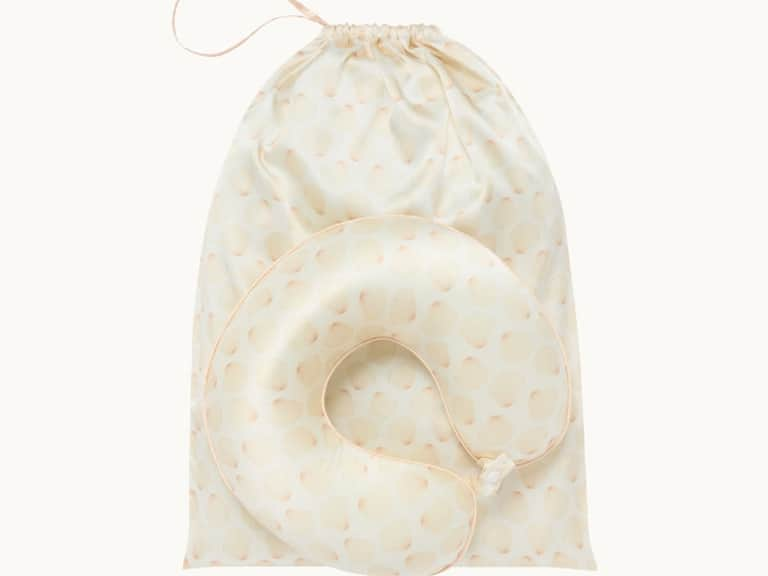
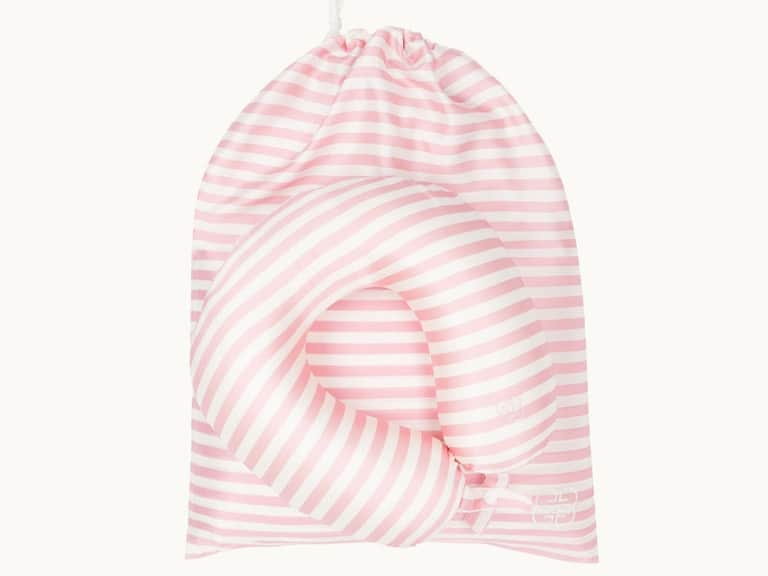
For travel, a clean, breathable bag can keep a delicate textile separated from shoes, toiletries, and rougher clothing. The important distinction is that a storage bag does not replace proper cleaning or drying. Pack silk only when it is dry, and unpack it promptly at your destination so it can air out rather than remaining compressed in luggage.
Is silk bedding right for your routine?
Silk may suit someone drawn to a smooth, flowing surface and willing to read care labels before washing. It may be less appealing to a household that wants bedding to withstand frequent hot washing, rough handling, or a very crisp feel with little maintenance. Neither preference is a verdict on quality. Bedding is personal, and practical fit matters as much as appearance.
Before buying, compare the full details of the particular Gingerlily item: fiber composition, weave or finish if stated, dimensions, construction, and care instructions. Consider how often you wash bedding, whether you have space to air-dry it, and whether its texture matches your preferences. If you are uncertain about a particular product’s care, ask the retailer or brand for written guidance rather than relying on broad claims about silk.
Silk bedding is best understood not as a fragile ornament, but as a useful textile with specific limits. Its smooth hand and fluid drape can make it feel distinct from more familiar bedding materials. In return, it asks for a lighter touch: cool or label-approved washing, gentle detergent, careful drying, and storage that keeps it clean and dry. Those habits cannot eliminate normal wear, but they can help protect the fabric and make its particular feel last.
The short version
- Silk’s feel varies with weave, weight, finish, and construction; check the specific product details.
- Follow the care label for each item rather than assuming all silk bedding can be washed the same way.
- Use gentle cleaning methods, avoid unnecessary friction and high heat, and air-dry when directed.
- Store bedding clean and completely dry, away from direct sunlight, dampness, and rough objects.
- Choose silk if its smooth feel appeals to you and its care requirements fit your everyday routine.