A concise primer on optimizing daily routines through smart organization and essentials. Learn simple strategies to reduce clutter, streamline workflows, and carry what you truly need for a smoother day. In a world that rewards simplicity, the act of organizing becomes a daily practice—an everyday carry of calm in a bustling life.
The concept behind Daily Tote rests on a simple premise: daily, digestible knowledge that you can actually apply. This article expands on that premise by weaving together practical organization strategies with cultural touchpoints from notable figures across eras. The aim is to illuminate a path toward lighter, more intentional daily carry—both in terms of physical items and mental bandwidth.
In the spirit of Time magazine, this piece balances clarity with depth, offering sharp observations, concrete steps, and human stories. It treats home organization not as a sterile drill but as a narrative—a way to reclaim time, preserve energy, and honor the everyday rituals that shape our lives. The article also ties into a tangible product that embodies everyday carry: a Silk Laundry Bag, which stands as a small but telling example of how thoughtful design can reduce friction during travel and daily routines.
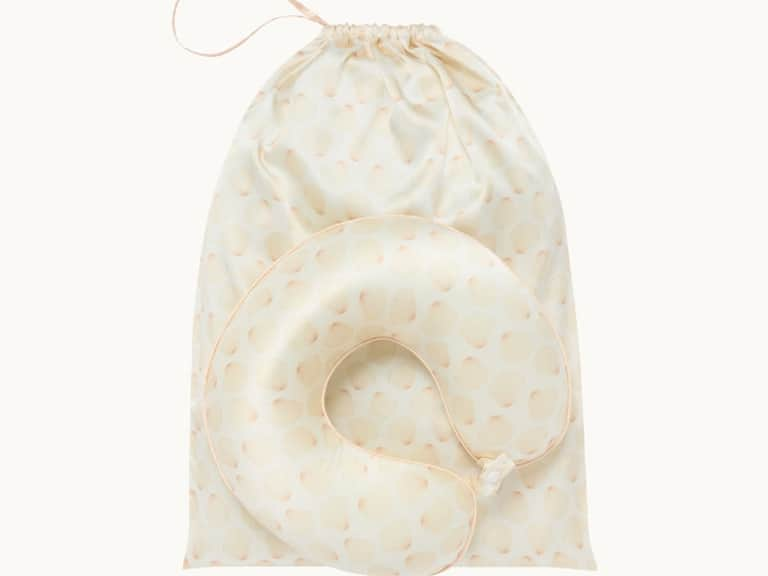
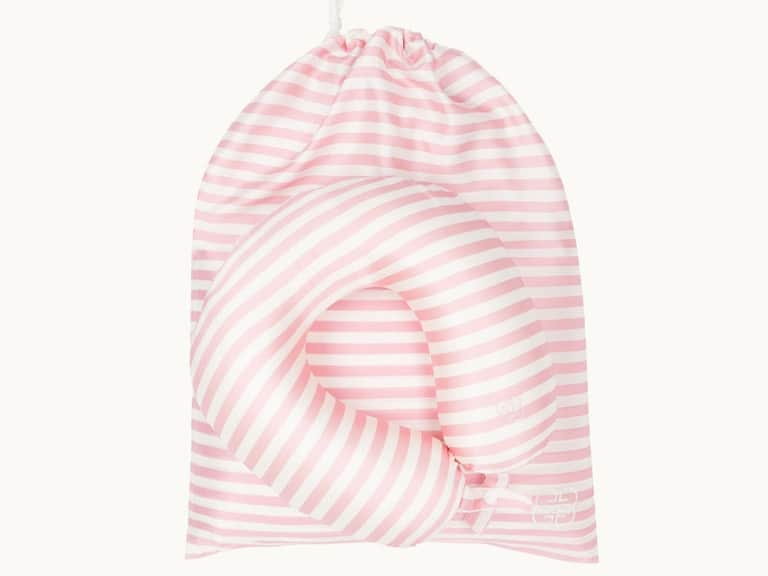
In the realm of lightweight, high-performance organization, the Silk Laundry Bag series from Gingerlily offers a premium touch to your daily carry. Made from 100% Mulberry silk with 19 Momme weight, these bags cradle delicate fabrics and keep packing orderly. The Seashells motif embraces a soft, tactile elegance, while the Pink & Ivory Stripe variant signals a refined sense of travel-ready style. These bags exemplify how strategic accessories can simplify routines, keep items segregated, and reduce decision fatigue during packing and unpacking.
If you’re about to embark on a short trip or simply want a better way to separate garments at home, a well-chosen laundry bag becomes part of your daily toolkit rather than an afterthought.
In an era dominated by apps and screens, there is still room for tactile, low-tech methods that save time and mental energy. Simple hacks—like color-coding drawers, using labeled bins, and a dedicated “grab-and-go” pocket near the door—can dramatically reduce morning friction. The goal is not perfection but reliability: a routine you can trust even on days that start with a whirlwind of meetings or errands.
Franklin’s methodical approach to self-improvement echoing through the daily rituals we now take for granted. His emphasis on intentional practice—whether in writing, experiments, or frugality—illustrates how daily carry is not merely physical but a framework for the mind. In Franklin’s world, small, repeatable acts accumulate into character and competence, a timeless reminder that the mundane, properly organized, yields outsized returns.
Jacobs reframed the urban landscape as a living, navigable everyday carry. Her insistence on watchful, connective communities—on sidewalks, a place for lingering, and micro-rotations of daily life—dovetails with a practical approach to home and travel. Her ideas remind us that organizing is not a solitary act but a social one: the tools, routes, and routines we curate shape the flow of daily life for everyone around us.
As contemporary observers of daily life, modern writers and creators emphasize documentation, clarity, and responsibility. Ito’s ethic—verifying details, presenting clear narratives, and prioritizing user trust—mirrors the editorial discipline needed for a daily digest that readers rely on. Her stance underlines a principle that resonates with Daily Tote: carry knowledge that travels well, stands up to scrutiny, and remains useful over time.
Daily Tote aims to be a non-commercial, information-forward platform that respects readers’ time. The editorial approach prioritizes reliable sourcing, concise presentation, and practical utility. Readers are invited to participate in shaping the site’s direction through thoughtful feedback and topic suggestions, cultivating a sense of community around practical, actionable knowledge.
If you found this primer helpful, consider exploring the Home Organization status library—an evergreen resource of foundational topics—from budgeting basics to routine optimization. The cadence remains deliberately steady: 3–5 skim-friendly items in each digest, with occasional longer deep dives for context and nuance.
While the Daily Tote article leans toward information, tangible items that demonstrate good design can illustrate the principles discussed. For example, the Silk Laundry Bag seashells and the Silk Laundry Bag pink & ivory stripe provide concrete examples of how a well-chosen accessory can make daily routines smoother. These items are not endorsements but case studies in how form and function meet to reduce friction in daily carry.
Product showcases are included to help readers visualize the types of items that align with a thoughtful carry strategy. If you’d like more, I can assemble a curated, editorially grounded list of practical accessories aligned with this framework.
In the end, the discipline of daily carry is about reducing decision fatigue and reclaiming time for what matters. A well-considered kit—comprising essential items, lightweight organization tools, and a mindful approach to decluttering—translates into clearer mornings, smoother transitions between contexts, and more mental space for creativity, reflection, and growth. By embracing the Daily Tote philosophy, readers embark on a cadence of efficiency that feels less like constraint and more like a quiet, durable confidence.